
SALT
-
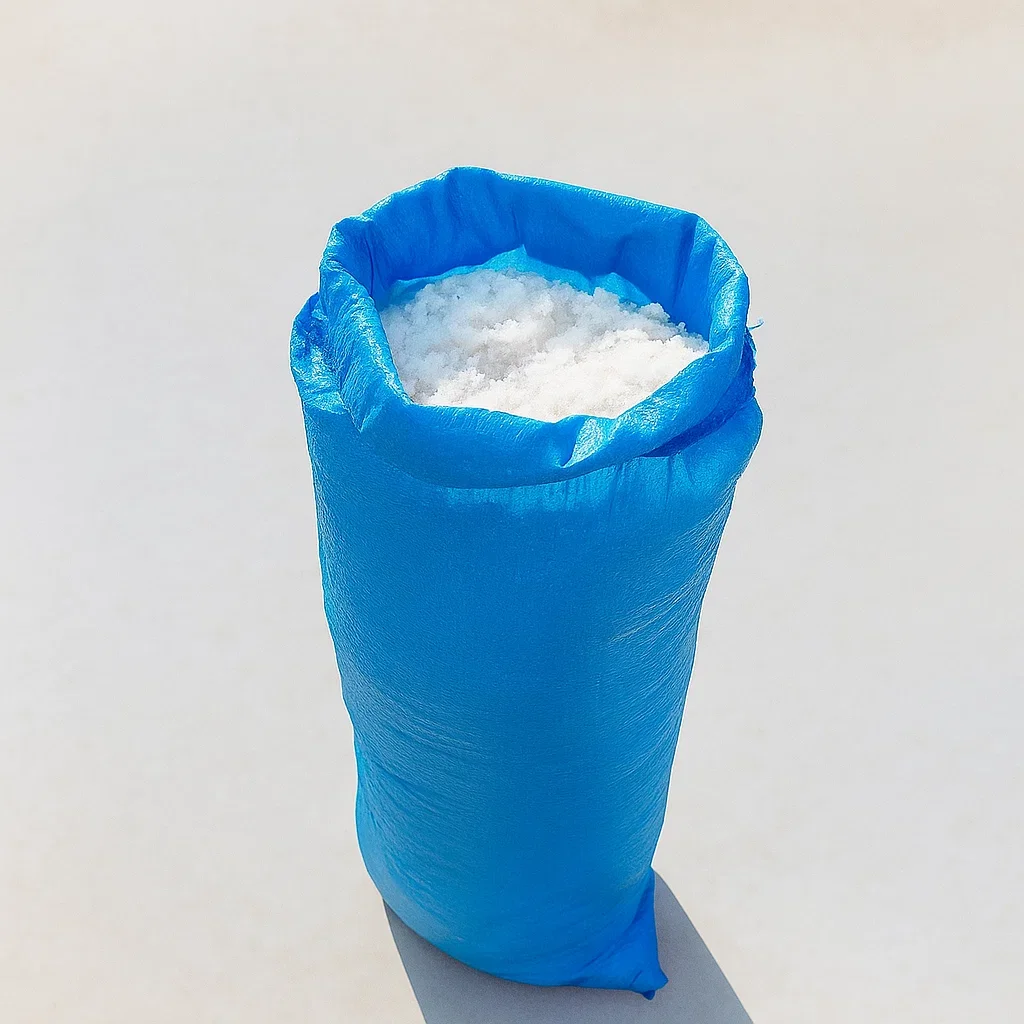
Ada Salt comes from the Songor Lagoon in Ada, Ghana, harvested traditionally by solar evaporation. Unlike industrially refined salts, Ada Salt is sun-dried, unrefined, and mineral-rich, with irregular crystal structures that dissolve differently on the tongue, does not spark in hot oil. This gives it both an authentic story and a sensory edge. While no foreign sensory panels exist yet, early international buyers describe Ada Salt as:
Fresh and clean tasting (no chemical aftertaste).
Crunchy crystals that linger and dissolve slowly.
Rounded saltiness thanks to trace minerals like magnesium and calcium.
On chocolate: Ada Salt’s irregular flakes act as flavor enhancers. When sprinkled on dark chocolate, truffles, or brownies, the slow-melting crystals amplify cocoa bitterness and sweetness simultaneously. It transforms ordinary chocolate into a layered tasting experience — similar to how Maldon sea salt became iconic in pastry kitchens.
-
Food finishing salt: Salads, grilled vegetables, meat rubs, fish.
Confectionery & bakery: Salted chocolate bars, caramel, cookies.
Wellness products: Bath salts, scrubs, natural spa items.
Food processing: Pickling, artisanal cheeses, fermentation (sauerkraut, kimchi).
Export potential: Positioned as Africa’s “clean, sun-dried sea salt” — a story global markets crave.
-
Global gourmet salt market is valued at over $1.5 billion and growing. Himalayan salt dominates due to branding, not taste.
Ada Salt can carve space in this market with the right narrative: African origin, artisanal harvest, and superior culinary performance.
With the rise of African premium exports (e.g., Ghana cocoa, Ethiopian coffee), Ada Salt could be the next frontier.
-
Roadmap for Entrepreneurs
Small-batch branding: Sell Ada Salt in jars/tins as “African Artisan Sea Salt.”
Chef & chocolatier collaborations: Position it as the new finishing salt for desserts.
Blind taste panels: Run comparative studies with Himalayan and Maldon salts to generate data.
Export compliance: Conduct heavy metal and microbiological testing, then secure HACCP/ISO food certifications.
Scale with story: Market Ada Salt as the flavor of Ghana — not just an ingredient, but a heritage.