
CULINARY SPICES
-
Hibiscus (Hibiscus sabdariffa)
Description
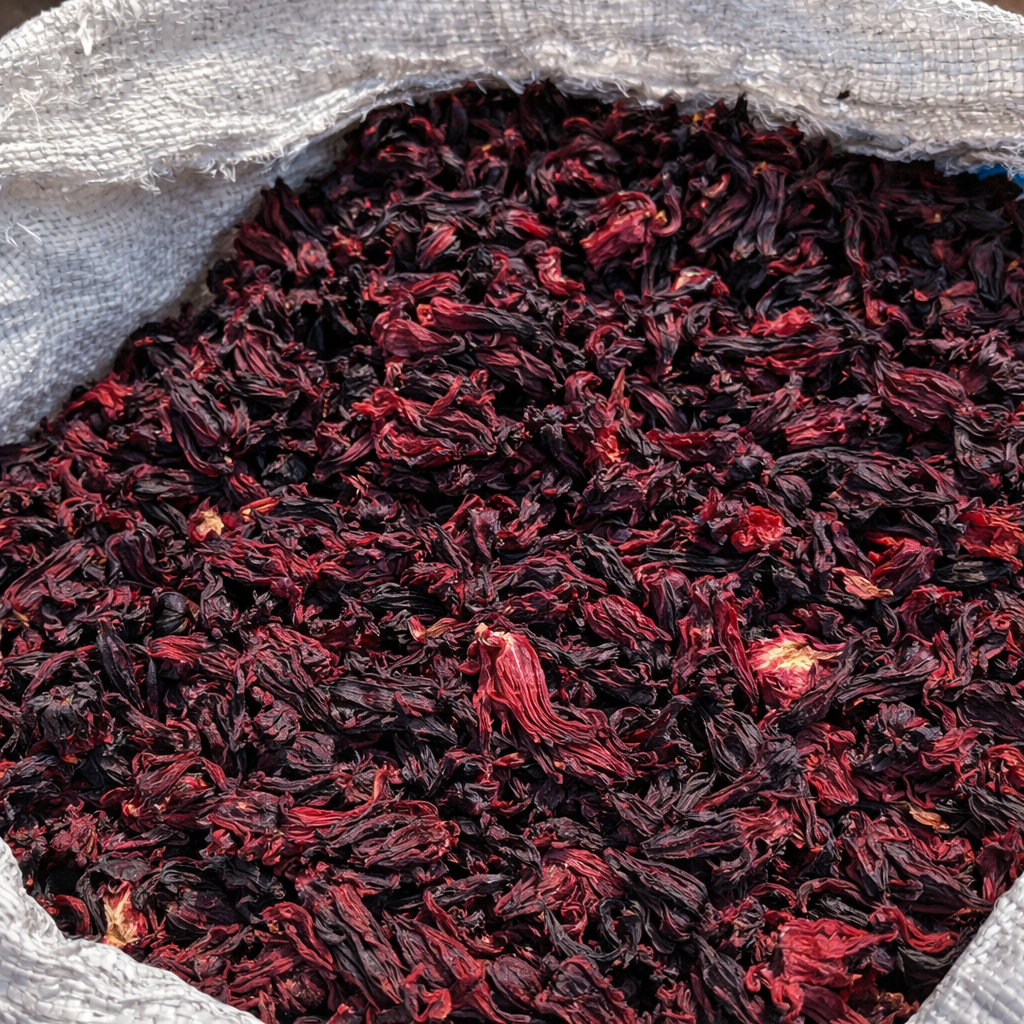
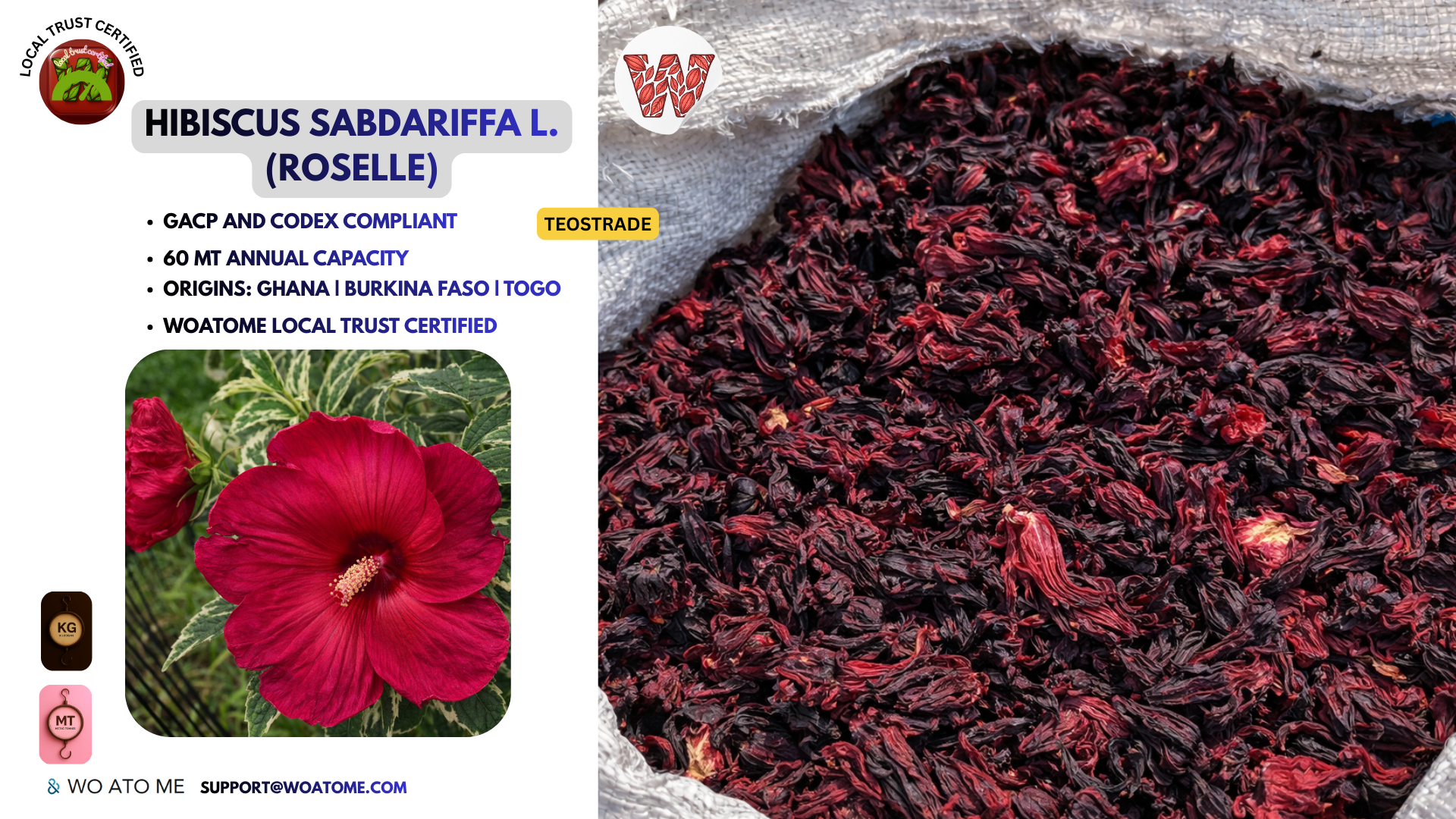
Hibiscus (Hibiscus sabdariffa), also known as roselle, sorrel, zobo, or flor de Jamaica, is a tropical plant prized for its vibrant red calyces — the fleshy outer petals of the flower. These calyces are harvested, dried, and traded globally as a natural botanical ingredient with a tart, cranberry-like flavor and deep crimson color. Dried hibiscus is rich in antioxidants like anthocyanins and polyphenols, making it appealing to health, food, beverage, and wellness markets alike. The dried flower segments can be supplied as whole calyces, powdered form, or extracts depending on buyer needs
-
Industry Use & Application
Hibiscus’s versatility makes it valuable across several sectors:
• Food & Beverage Industries
Herbal teas and hot/cold infusions
Functional flavored waters and juices
Natural food colorant in jams, syrups, confectionery
Fermented and botanically infused beverages
• Nutraceuticals & Herbal Supplements
Standardized powders and extracts in heart-health, antioxidant, and wellness formulas
Botanical blends for metabolic, detox, and wellness positioning
• Cosmetics & Personal Care
Hibiscus extracts in anti-aging creams, cleansers, hair treatments, and skin conditioners
Used for natural pigmentation and antioxidant claims in plant-based beauty lines
• Pharmaceuticals & Traditional Medicine
Incorporated for its antihypertensive, anti-inflammatory, and diuretic properties in traditional and modern herbal products
• Natural Ingredients & Specialty Uses
Botanical extracts for natural dyes
Emerging uses in pet-care grooming products and niche lifestyle formulations
-
Growing Functional Beverage Demand:
Global consumption of hibiscus-based herbal teas and functional drinks has surged as consumers shift toward natural, plant-based, and antioxidant-rich beverages. Recent data shows strong demand growth, particularly in ready-to-drink segments and clean-label products.2. Diversification Beyond Teas:
Manufacturers are expanding hibiscus applications into natural colorants, nutraceutical powders, extracts for supplements, and cosmetics. Ready-to-drink hibiscus blends, micro-fine powdered hibiscus for skin care and hair care, and high-anthocyanin extract formats command premium pricing.3. Organic & Sustainable Sourcing:
There’s strong growth in organic-certified and pesticide-free hibiscus, driven by consumer preferences and sustainability sourcing commitments from global brands. Organic and traceable supply chains are increasingly valued in North American, European, and Asian markets. -
Adhering to quality and export standards is critical for international trade:
Moisture Content: ≤ 10% typical for dried calyces to ensure shelf stability.
Purity: High purity with minimal foreign matter, stones, or sand (often ≥ 95% purity).
Color & Appearance: Deep red or burgundy calyces with uniform size and color intensity.
Compliance & Handling: Processing under HACCP-aligned conditions, proper fumigation, and secure packaging to minimize contamination and support Codex Alimentarius-style requirements for dried botanicals.
Standards also increasingly highlight phytochemical profiling, such as anthocyanin content and bioactive markers, which support health-oriented positioning and buyer confidence.
Hibiscus From Farm to Flavor
Explore the vibrant world of Hibiscus sabdariffa. From hand-harvested calyces to premium dried products, gain insight into quality standards, global trends, and ideal applications. Minimum order quantities start at [insert MOQ], making it easier than ever to source with confidence. Dive in, and connect with us to bring Hibiscus excellence to your brand
New!